
Whoa, this surprised me. I first opened Phantom on a lazy Sunday afternoon, curious more than anything. The UI felt clean and fast, like a little pocket tool that just worked without fuss. At first I thought „great, another wallet,“ but then I started moving tokens and NFTs and something clicked—Phantom handled the flow smoothly even when markets hiccuped. My instinct said this could actually simplify day-to-day on Solana for regular people and for collectors who want fewer headaches.
Really? Yes really. The balance between simplicity and power is rare in crypto software. Phantom keeps common tasks straightforward while still exposing the controls you need when it matters, and that matters to me. Initially I assumed the onboarding would be clunky, though actually it was surprisingly gentle even for someone who isn’t patient with setups. There’s an elegance in hiding complexity until you want it, and Phantom nails that trade-off.
Hmm… somethin‘ about the way it shows NFTs bugs me a bit. The gallery view is pretty, but it sometimes misses metadata fields I care about. Still, the fast wallet-switching and signature prompts are reduced to a tap or two, which saves time on chains like Solana where transactions are often tiny and frequent. On one hand it feels polished; on the other hand I want more granular display options for some tokens. I’m biased toward tools that prioritize clarity over bells and whistles, and Phantom leans that way.
Okay, so check this out—if you want the extension, the straightforward download route is here: phantom wallet download extension. I recommend pinning the extension to your browser bar for quick access. Seriously, having it one click away changes how often you actually use on-chain services. After I pinned it I noticed I engaged with dApps more often, just from convenience and fewer friction points.
How Phantom Feels Day-to-Day
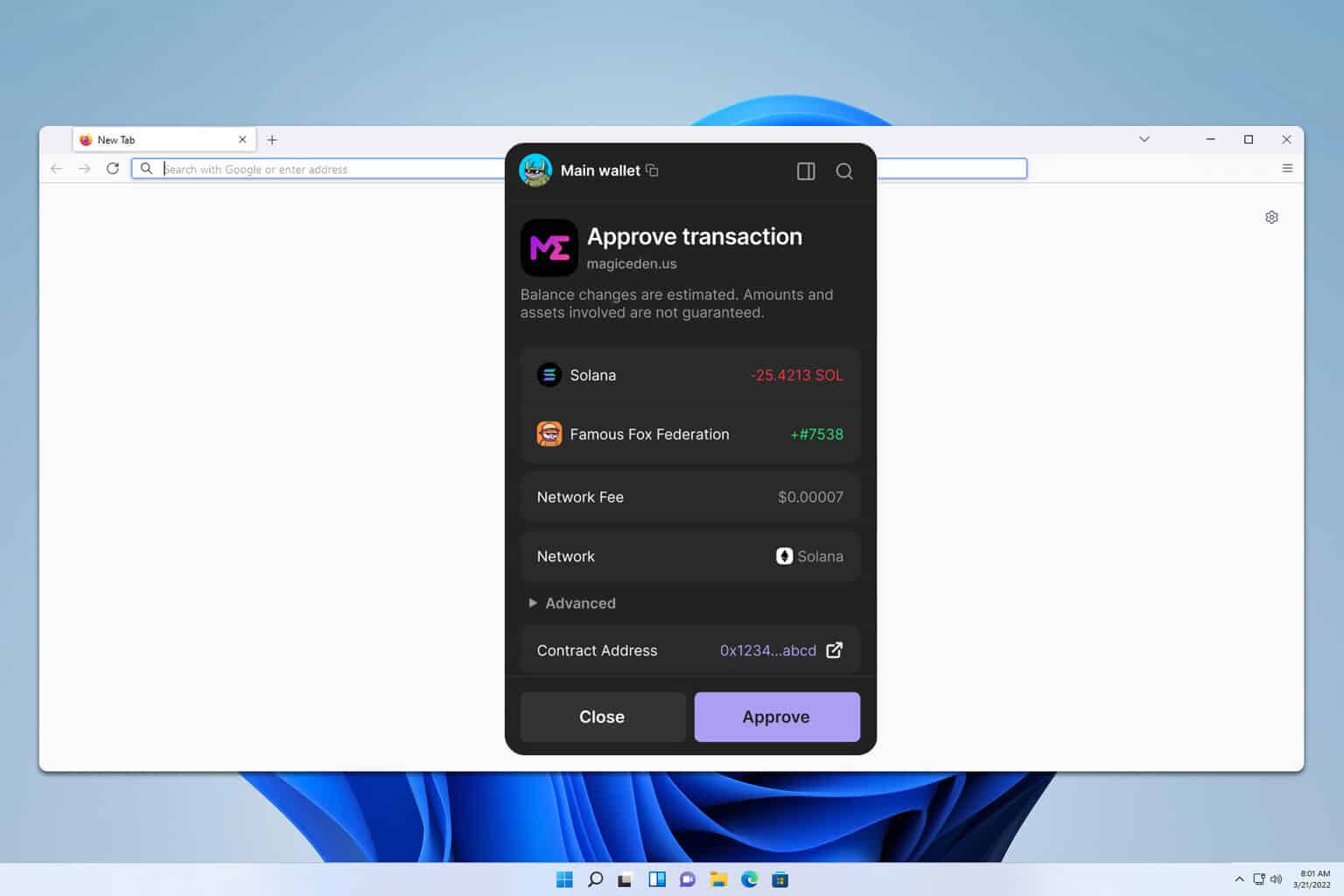
Short story: fast, but nuanced. The transaction notifications are timely and concise, which matters when you’re doing many micro-transactions in a row. Wallet approval flows are readable, and they usually tell you enough to make a quick decision. Sometimes the language is slightly technical, though most users will get comfortable after a few uses. My instinct said this would be intimidating for new users, but the team did a good job streamlining the common paths.
There are small things that make a big difference. Seed phrase backup is straightforward and the recovery process is predictable, which sounds like a tiny detail until you actually need it. The in-extension swap is handy for quick moves, but the rates can vary and the fees are not always transparent before you confirm. On another occasion I found a failed swap stuck in limbo, and it took a minute to understand why—so, not perfect, but workable. If you’re trading often, consider external tools or checking slippage settings closely.
Whoa, security feels solid. Phantom uses a local key store and never sends your private keys out to their servers, and although that technical detail sounds dry, it comforts me a lot. I am not 100% sure about every edge-case threat, but the extension gives reasonable warnings for signing requests and shows origins clearly. That said, browser extensions have inherent risks—if an attacker compromises your browser, they’ll get that extension too—so treat it like any other high-value tool. Use hardware wallets for larger holdings; Phantom supports that workflow which is great.
I’ve noticed one quirk. Notifications sometimes overlap in Chrome when many tabs are open. It’s a minor frustration, but very human; it made me close tabs more often. The team seems responsive to feedback though, and updates roll out with small iterative improvements. There’s comfort in active development when the product is critical to your on-chain life.
NFTs, Collections, and the Collector’s Experience
NFT display is pretty friendly. You get a gallery view that looks nice on a laptop and a quick details page with creator info. On one hand, it serves casual collectors perfectly. On the other, power collectors who track provenance and on-chain attributes might find it light. I use Phantom as my daily driver for viewing and sending NFTs, but I hop into analytics tools for deeper provenance checks. The wallet is great for showing off new pieces to friends though—screenshot-worthy in a low-effort way.
There were times when metadata didn’t surface correctly. That felt like a data issue more than a wallet problem, because Solana’s metadata standards can be inconsistent across projects. Still, Phantom could do more to surface missing fields or link to reliable explorers for verification. That would reduce second-guessing and save time for people juggling multiple collections. (Oh, and by the way… I like quick context buttons—small things feel huge when you’re trading or gifting NFTs at a meetup.)
At a recent small IRL event in Brooklyn, a friend used Phantom to showcase a handful of pieces and it was slick. People asked how to get started and I walked them through installation and seed setup in under five minutes. That felt like a win. It’s these moments—real, social, slightly messy—that reveal where a product actually succeeds or fails, and Phantom mostly succeeded that evening.
Developer and Power-User Notes
For builders, Phantom exposes developer-friendly features like program interactions and signing utilities. The devtools integration isn’t flawless, but it reduces boilerplate when testing flows in-browser. Initially I assumed dev support would be minimal, but documentation and community examples helped flatten the learning curve. If you’re building a dApp, test with Phantom as a baseline because it’s common in the Solana ecosystem.
About hardware wallets: Phantom’s support for Ledger devices is a big plus for security-conscious users. It’s not seamless every single time—USB quirks happen, and sometimes you need to re-pair—but pairing once is usually enough for stable use. Pro tip: update your Ledger firmware and Solana app before connecting, which avoids many headaches. This part feels like the real-world plumbing of crypto—unsexy, necessary, and slightly annoying when it breaks.
FAQ
Is Phantom safe for everyday use?
Yes for daily small transactions and NFT browsing. Use it with a hardware wallet if you hold significant funds, and always safeguard your seed phrase offline. Somethin‘ as simple as a screenshot can ruin you, so be careful.
Can I use Phantom on mobile and desktop?
Phantom offers both browser extension and mobile apps, and syncing is smooth via standard recovery phrases. For frequent traders, the desktop extension often feels faster and more convenient for multitasking.
Does it support all Solana tokens and NFTs?
Mostly yes, but display depends on how projects publish metadata. Rare tokens or nonstandard metadata may not show perfectly, so double-check on explorers if something looks off.