
Whoa! Okay, so check this out—I’ve been messing with crypto gear for years. Seriously? Yes. I thought I had my security setup nailed down, but a little card changed how I think about mobile-first custody. My instinct said „this will be gimmicky,“ but then I used one for a week and felt that tug of real convenience. Initially I thought cards couldn’t match a seeded hardware wallet’s recoverability, but then I noticed how Tangem approaches keys differently, and that changed my mental model.
Here’s the thing. The Tangem card feels like carrying a credit card that happens to hold a private key. Short and tactile. You tap it to your phone, approve, and you’re done. There’s no fumbling with cables. There’s no cold, quiet ritual of powering up a device. It just works—so easy that I caught myself using it in public, almost absentmindedly. Hmm… that ease raises questions about security, so let me walk through what I liked, what bugs me, and how I actually use it day-to-day.
First, the practical side. The card is an NFC secure-element: keys are generated and stored on the chip, and they never leave. That design removes seed phrases from the consumer flow. On one hand that reduces the human-error surface—fewer words to lose or write down badly. On the other hand, it changes recovery expectations: you don’t have a BIP39 seed to paste into any wallet. So you plan differently. For me, that meant buying an extra card as a backup and keeping it in a separate safe. It’s not perfect, but it works for how I travel.
Security-wise the model makes sense. The chip enforces signing policies, and NFC communication is short-range, which limits remote attacks. But, truth be told, nothing is impregnable. If somebody gets physical access to your card and the device you use with it, there are risks—physical theft, coerced use, that sorta thing. I’m biased toward defense-in-depth: I use the card alongside other protections, not as a single fortress. On balance though, for everyday non-custodial use, it’s a compelling trade-off between security and convenience.
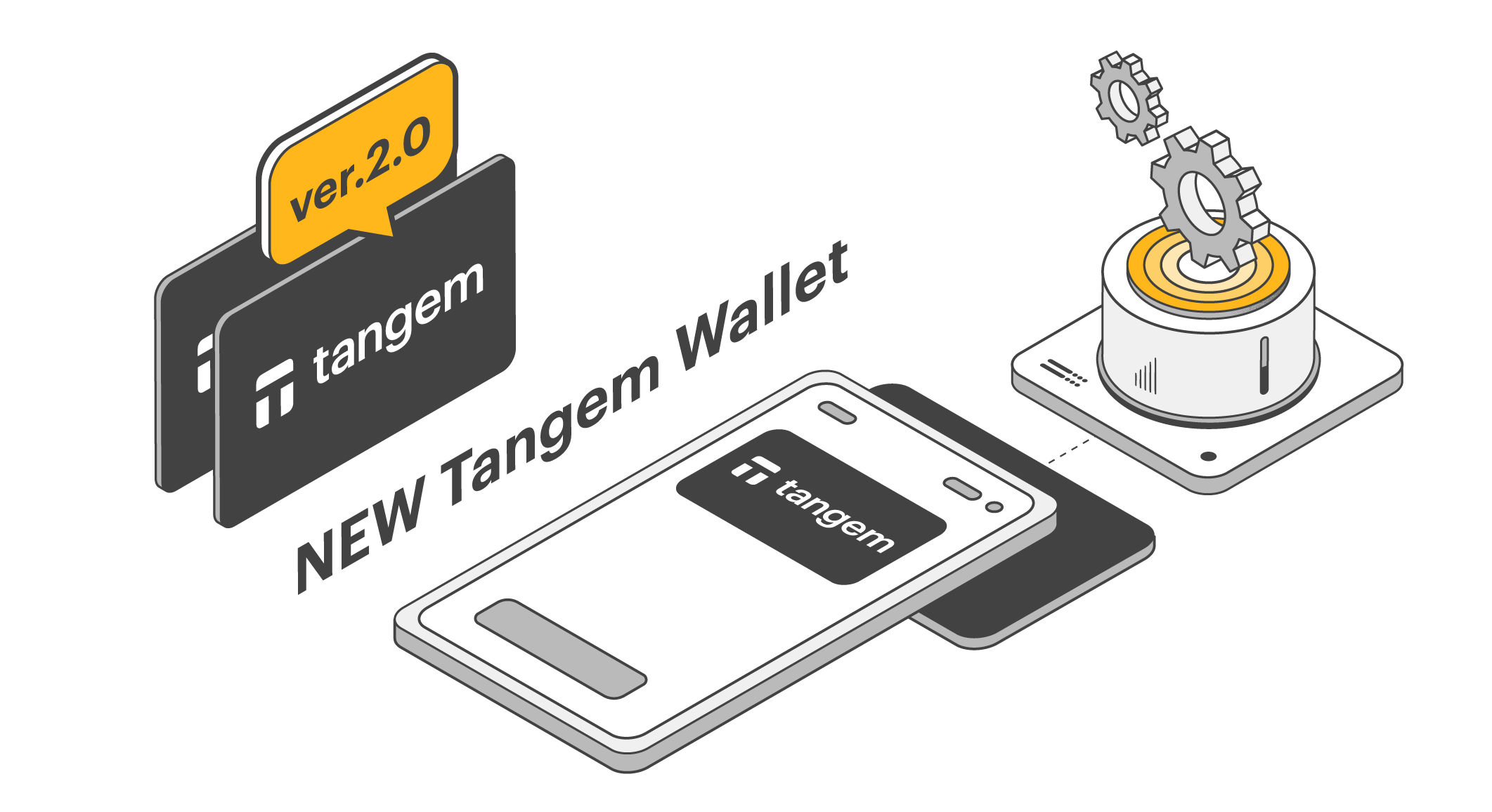
How I actually use a Tangem card (and why it fits my routines)
At home I keep one card in my wallet and another in a safe—old-school split custody. When I’m out and about, I rarely want to pull out a bulky device or connect anything with a cable. Tap. Approve on my phone. Transaction signed. That’s the pattern. The user flow is so low-friction it became my default for small-to-medium transactions. Larger withdrawals? I still prefer multisig with hardware devices that support seed backup or institutional-grade setups.
Here’s a practical tip: treat your card like a physical key. If you’re comfortable carrying a high-value credit card, you’ll probably be comfortable carrying a Tangem. If that thought makes you uneasy, don’t. Get a backup card and store it securely. Also—oh, and by the way—consider a small metal card sleeve for real-world wear and tear; the card is tough but it’s still something I toss in a pocket.
Now, the integration story. Tangem works with mobile wallets via NFC and partners with several wallet apps to enable signing. I liked that the experience is app-light: you don’t have to wrestle with firmware updates or cables. My first impression was „too slick“, but then I tested edge cases: low battery phones, crowded NFC environments, and cross-platform quirks. Some phones have better NFC stacks than others. Android tends to be friendlier for NFC interactions, though iPhones have been improving. Expect slightly different behavior across devices—it’s tech, after all.
Another thing that surprised me: people ask if the lack of a seed phrase means you can’t recover funds. The short answer is no—you can still recover if you planned backups right. Tangem’s model encourages you to treat the card as the canonical key holder; create a duplicate card or use a supported backup flow. It’s a different mental model than „seed words in a drawer“ and honestly somethin‘ I prefer for reducing accidental exposure.
For readers who want to dig deeper, there’s a straightforward walkthrough and resources on the official pages. If you’re curious about the card’s specifics or want a step-by-step of setup, check this page: https://sites.google.com/cryptowalletextensionus.com/tangem-wallet/ —it’s where I re-read details when I forget a step (and trust me, I forget stuff sometimes).
That link is the only one I’m dropping here. Okay, moving on—compatibility matters. Tangem supports many common chains out of the box, but if you live in a niche altcoin world you’ll want to verify support before committing. Also, non-native tokens and smart-contract interactions can be more complex; some wallets handle them better. I had one hiccup signing a complicated DeFi contract, and that was a reminder: test a small transaction first.
Cost and durability? Tangem cards are relatively inexpensive compared to full hardware wallets. They’re thin, water-resistant, and fit a wallet pocket—so durability is solid. Still, like any piece of physical tech, treat them as valuable. My card survived airport scanners, a jump in a backpack, and a spill—so yeah, rugged enough for travel.
There’s a trade-off continuum here. If you want absolute maximal control with seed phrases and multiple air-gapped devices, Tangem might feel limiting. Though actually, wait—let me rephrase that: if your threat model includes targeted physical seizure or you need enterprise-grade multisig, pair Tangem with other solutions. On the other hand, if you want a simple, private-key-first experience that removes the seed-phrase headache for everyday use, Tangem nails it.
FAQs
Can I recover funds if I lose my Tangem card?
Short answer: plan for recovery before you need it. Tangem’s design avoids exposing seeds, so recovery usually involves a backup card or a supported recovery mechanism. Many users buy an extra card and store it separately. If you haven’t set up a backup and you lose your only card, recovery is difficult—so don’t skip that step.
Is NFC secure enough for signing transactions?
NFC adds convenience and a short-range communication layer, which reduces some remote-attack surfaces. The private key stays on the secure element during signing. Still, NFC isn’t magic; physical access and compromised smartphones are real risks. Treat the card as one element in a layered security approach.