
Whoa! This has been on my mind lately. I tried switching wallets a few months back and kept coming back to Phantom. It’s slick. And honestly, somethin‘ about the UX just clicks in a way other wallets don’t—smooth animations, clear prompts, and fewer surprises when you’re signing transactions.
Okay, so check this out—Phantom’s browser extension is the easiest on-ramp to the Solana DeFi world for most people. It pops up neatly when a dApp asks for permission. It stores keys locally, which is better for privacy than many custodial options. But there are trade-offs, and I want to be upfront about them.
Initially I thought security was the only thing that mattered, but then realized usability often wins. On one hand, top-tier security practices are critical—on the other hand, if users can’t follow them, they’re useless. Actually, wait—let me rephrase that: a truly usable wallet nudges users toward safer behavior without making them feel dumb. And Phantom does that fairly well, although some prompts could be clearer.
What stands out (and what bugs me)
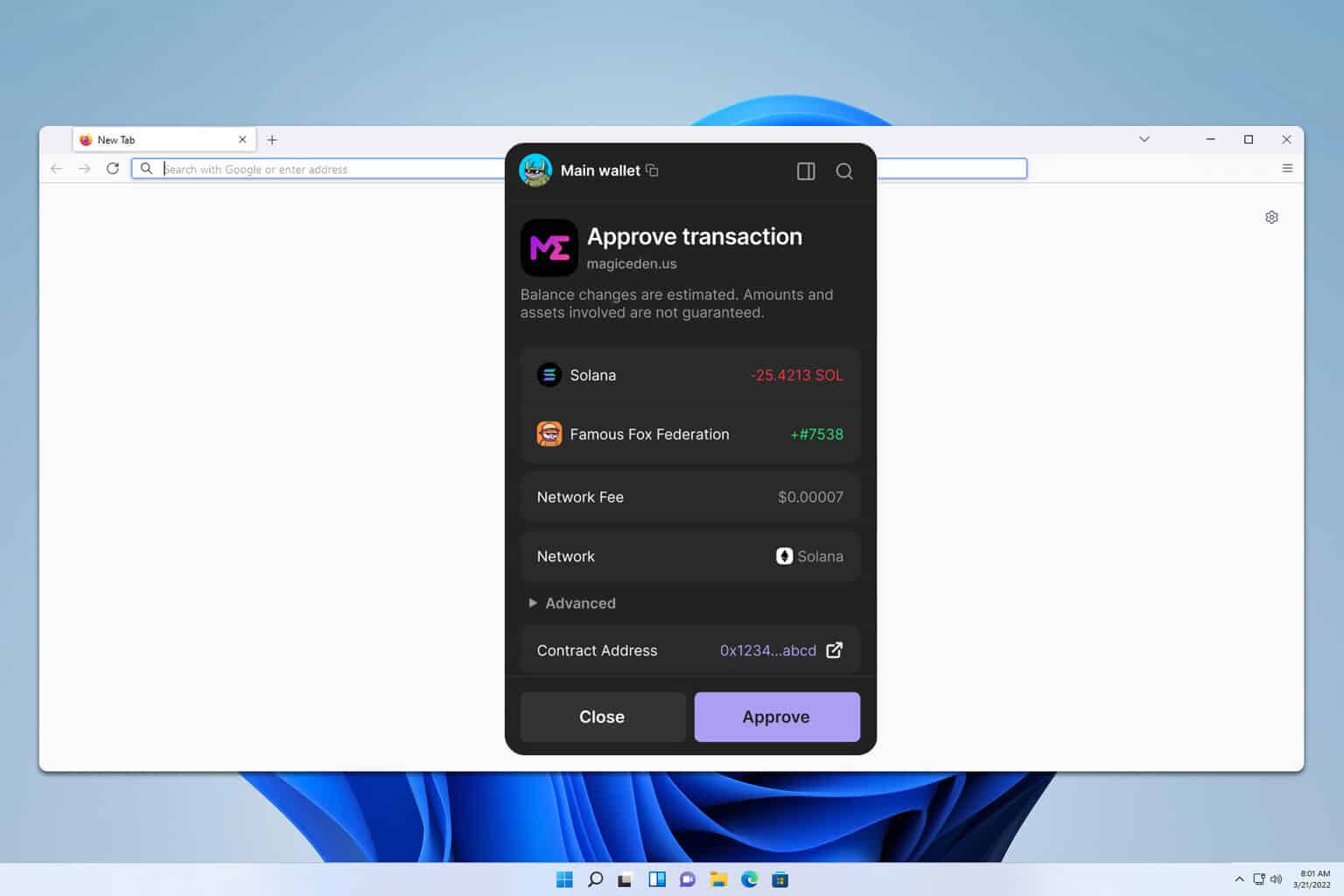
Seriously? The permissions dialog is usually fine, but sometimes the gas/fee details are vague. My instinct said something felt off about a recent approval flow—so I dug in. The confirmation screen will show SOL fee estimates, but not always the full picture if a dApp layers multiple instructions. That matters when you’re doing swaps that bundle several actions.
Here’s what bugs me about some extensions in general: they assume users know the jargon. Phantom does better than most, yet there are still terms that could be friendlier. I’m biased, but plain language wins. For example, instead of „Approve delegate“, saying „Allow this app to move X on your behalf“ is clearer for casual users.
On the flip side, Phantom’s integration with NFTs and staking is legitimately impressive; it’s the kind of polish that brings new users into Solana and keeps them there. The token view is tidy, and adding custom tokens is quick. Still, be careful with token lists—third-party tokens can masquerade as legit ones, and that’s where vigilance matters most.
Installing the extension safely
Really? Yes—install from the right source. Browser stores can be messy. The safest route is to get Phantom from an official entry point rather than a random search result. For a straightforward, official-seeming download path, you can visit this phantom wallet download extension and follow the prompts to add the extension to your browser.
When you install, watch for a few steps. Create a new wallet only if you don’t already have one. Back up the seed phrase immediately—write it on paper, not on a screenshot. Seriously, do not store your recovery phrase in cloud notes unless you enjoy very bad surprises later.
Also—enable a password or biometric unlock if your browser and extension support it. It’s extra friction, yes, but makes your day-to-day safer. And one more practical tip: bookmark the extension page or the official site so you don’t hunt through search results next time.
Using Phantom with DeFi and dApps
Hmm… when a dApp requests wallet access, pause. Look at what it asks for. Most of the time it’s just wallet connect and signing a transaction, but occasionally some actions grant allowances that persist. If you approve indefinitely, you might need to revoke later. Phantom makes revocation possible, though doing it requires visiting the connected apps section.
For DeFi swaps, expect fast confirmations thanks to Solana’s speed. Fees are tiny compared to Ethereum, which is delightful. Yet speed introduces a different challenge: mistakes happen faster. If you click through without checking amounts or slippage, you can lose money very quickly. My instinct said „double-check“, and that saved me more than once.
One thing I learned the hard way: always preview transaction details. Some interfaces will show a single summary line but hide that the transaction does multiple token transfers. It’s annoying, but it’s true. Phantom gives you a decent preview; still, habitually opening the detailed view will help you catch oddities before approving them.
Mobile vs. Extension—pick your poison
I’ll be honest: I prefer the extension when I’m at my desk and the mobile app when I’m on the go. The extension feels more integrated with desktop dApps, while mobile shines for wallet-to-wallet transfers and quick NFTs checks. Both sync via your seed phrase, so pick based on convenience.
That said, using the same seed phrase across devices raises its own risks. Keep your seed phrase offline whenever possible. If someone phishes your phrase on one device, they get access across all. On one hand, cloud backups are convenient—though actually, they invite catastrophic loss if compromised. Choose wisely.
Common questions I get
Is Phantom safe to use for DeFi?
Generally, yes. Phantom is a reputable wallet with solid UX and active development. But safety depends on behavior: avoid unknown token approvals, double-check transaction details, and never share your seed phrase. If you want extra safety, consider a hardware wallet for large balances.
How do I recover my wallet if I lose access?
Use the recovery seed phrase you were given when creating the wallet. Input it into Phantom or another compatible Solana wallet to restore access. If you lost the phrase, there’s no recovery—sorry, that’s how non-custodial wallets work. It’s very very important to back that up securely.
What about phishing and fake extensions?
Phishing is the top threat for browser wallets. Only install the extension from official or trusted links, and double-check the extension publisher name. If a site asks for your seed phrase, that’s a red flag—no legit dApp needs it. Be skeptical. If something feels off, pause and research.
Alright—so where does that leave us? Phantom strikes a solid balance between ease-of-use and control, and for most people it’s an excellent gateway into Solana. It’s not perfect—no software is—but it nudges users toward good decisions while staying approachable. I’m not 100% sure how everything will evolve, though; Solana’s ecosystem moves fast and wallets adapt quickly, sometimes for better, sometimes for weird.
One last note: keep learning. DeFi is exciting and it’s easy to get swept up. Take small risks first, use tiny amounts until you feel confident, and keep your recovery stuff offline. Trust your gut if somethin‘ looks off, and if you want a safe install path, try the phantom wallet download extension link I mentioned above.